

AK-47 vs AR-15: Which Rifle is Right for You?
It is the greatest debate in the firearms world: the AK-47 vs. the AR-15. On one side, you have the Russian ‘Hammer’—a steel-forged icon of reliability. On the other, the American ‘Scalpel’—a modular masterpiece of precision and speed.
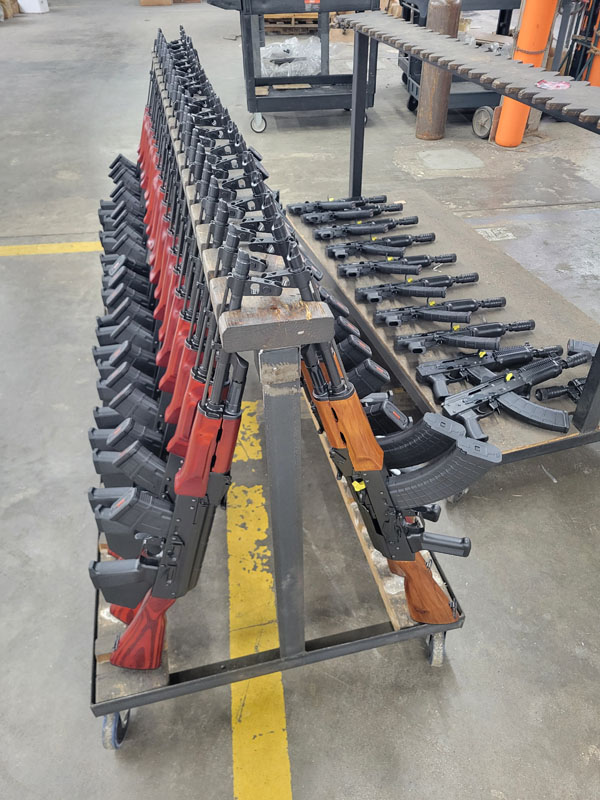
At Riley Defense, we don’t just talk about these rifles; we build them. We know that choosing between 7.62x39mm (AK-47 Bullet Size) and 5.56 NATO isn’t just about brand loyalty—it’s about matching the tool to the mission. Whether you are looking for a rugged survival tool, a home defense solution, or a weekend range toy, this guide breaks down the technical truths and ‘shop-floor’ realities of the AK and the AR platforms to help you decide which belongs in your safe.
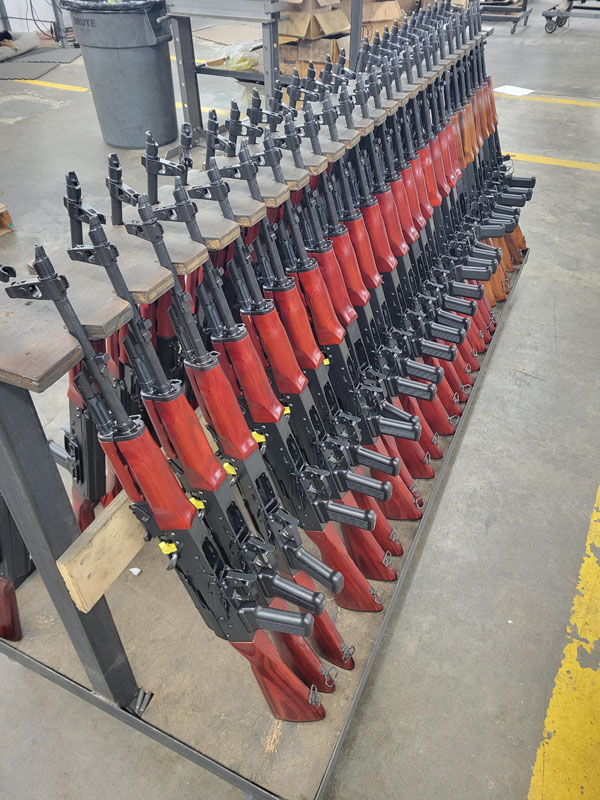
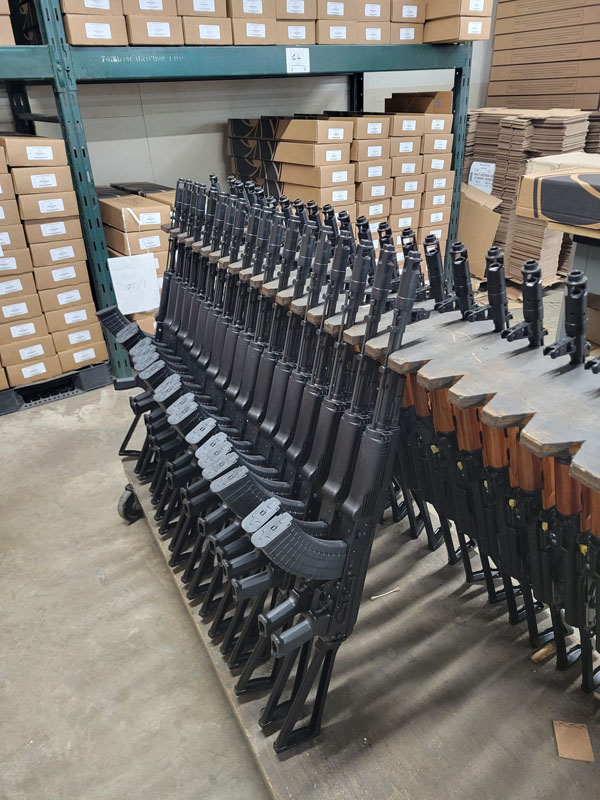
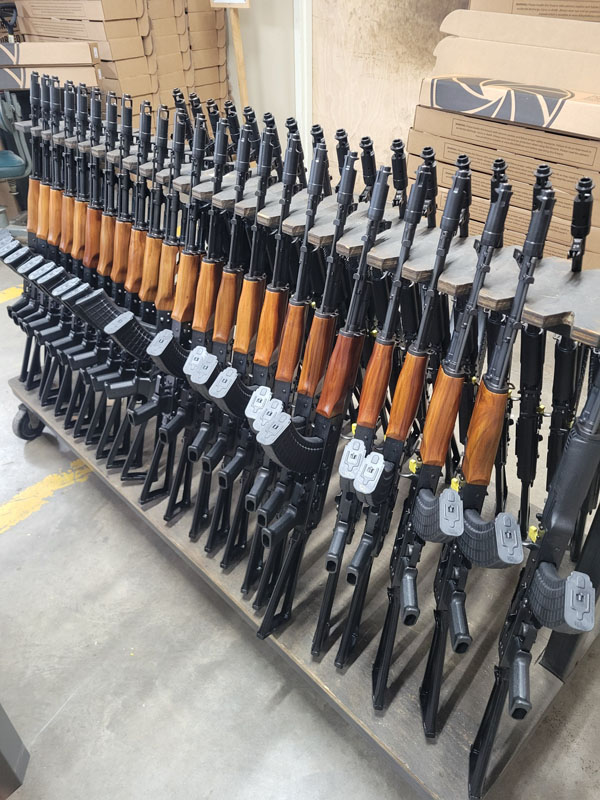
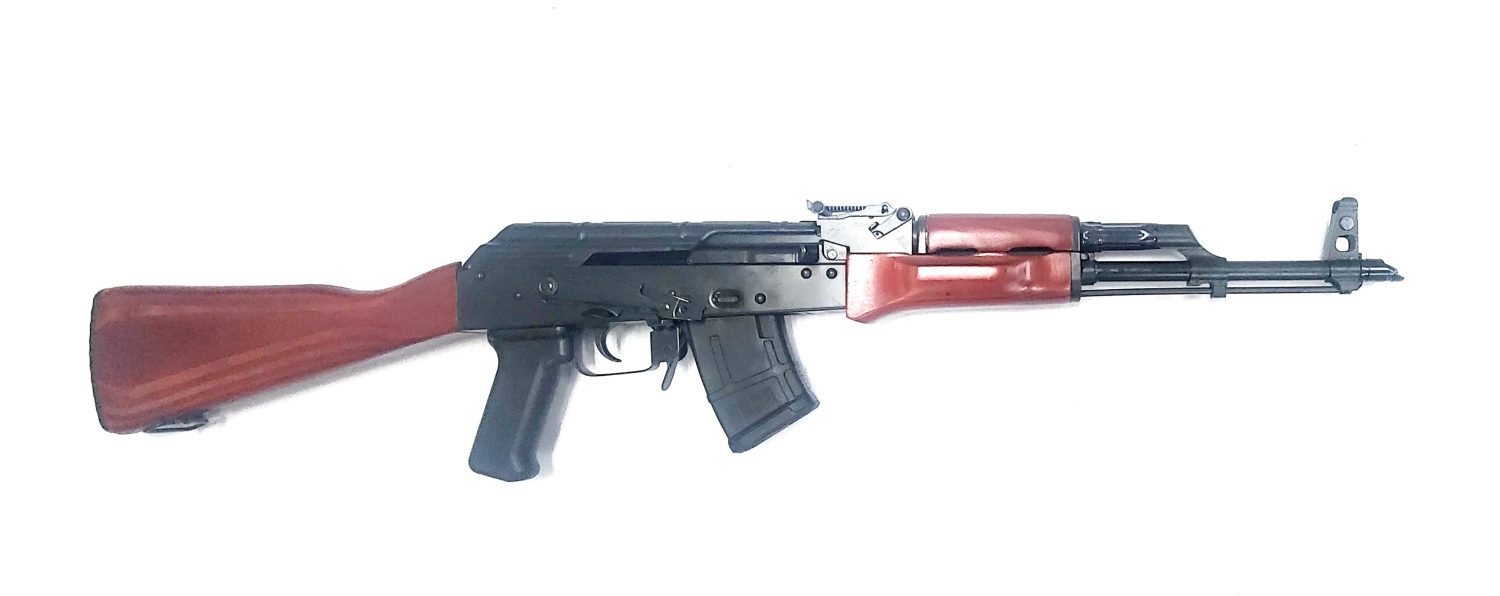
The finished Riley Defense AK-47: American-made precision from the shop floor to the range.
Table of Contents
- Introduction: The AK-47 vs. AR-15 Debate
- Logistics: Ammunition and Availability
- Overview of the AK-47
- Overview of the AR-15
- The Technical Specs: A Side-by-Side Comparison
- Choosing Based on Scenario
- Home Defense
- SHTF / Survival
- Target Shooting & Competition
- Pros and Cons
- A Manufacturer’s Perspective on Build & Reliability
- Frequently Asked Questions
Ammunition and Maintenance
When choosing between the AR-15 and the AK-47, the “battle behind the scenes” is often what matters most. Logistics isn’t just about what is on the shelf; it’s about what you can carry and how easily you can fix it.
- Ammunition Weight: The AR-15’s 5.56x45mm NATO round is significantly lighter than the AK’s 7.62x39mm. A standard combat load of 210 rounds (7 magazines) for an AR-15 weighs roughly 8 lbs. To carry that same 210 rounds for an AK-47, you’re looking at nearly 12.5 lbs. If you are hiking or on the move, that 4-pound difference is substantial.
- Parts Availability: In the United States, the AR-15 is “America’s Rifle.” Parts are standardized (MIL-SPEC), meaning you can swap a bolt carrier group or a trigger from almost any brand into another. The AK-47, while legendary for durability, often requires specialized tools (like a 12-ton press for barrel work) and “fitting” for parts, as different countries (Romanian, Bulgarian, US) have slightly different specifications.
- Ammo Cost: Historically, the AK-47 was the “budget” king. However, with shifting import bans, the price gap between 7.62×39 and 5.56 has narrowed. Always check current local availability before committing to a platform for high-volume training.
Overview of the AK-47
The AK-47 was developed in the Soviet Union in 1947 by Mikhail Kalashnikov. Renowned for its legendary reliability, this rifle was built to perform in the harshest conditions—from jungles to deserts, mud to snow.
Key features of the AK-47:
- Caliber: 7.62×39mm
- Operating System: Gas piston, rotating bolt
- Construction: Durable stamped or milled steel receiver
- Magazine: Standard 30-round detachable
- Rate of Fire: Semi-automatic (civilian models)
At Riley Defense, we manufacture high-quality, American-made AK-47s with precision craftsmanship and attention to detail—offering modern reliability with traditional AK ruggedness.
👉 Browse Riley Defense AK Rifles
Overview of the AR-15
The AR-15, designed by Eugene Stoner in the 1950s, has become the most popular rifle in the United States. It’s known for its modularity, lighter recoil, and accuracy, especially at longer ranges.
Key features of the AR-15:
- Caliber: 5.56×45mm NATO (.223 Remington)
- Operating System: Direct impingement gas system
- Construction: Aluminum upper/lower receiver
- Magazine: Standard 30-round detachable
- Rate of Fire: Semi-automatic (civilian models)
The AR-15 is highly customizable with endless aftermarket parts, but that complexity can come at a cost to durability and simplicity.



🔍 AK-47 vs AR-15: Key Differences
| Feature | AK-47 (7.62x39mm) | AR-15 (5.56x45mm) | The Verdict / Best For |
|---|---|---|---|
| Build | Steel construction (stamped/milled) | Aluminum receivers | AK-47 for ruggedness; AR-15 for weight savings. |
| Reliability | Extremely reliable in all conditions | Reliable but more sensitive to maintenance | AK-47 for “SHTF” and harsh environments. |
| Accuracy | Moderate at long range | Higher precision at long range | AR-15 for target shooting and small game. |
| Maintenance | Easy to clean and maintain | Requires more frequent cleaning | AK-47 for the low-maintenance owner. |
| Recoil | Heavier recoil | Lighter recoil | AR-15 for beginners and fast follow-up shots. |
| Customization | Fewer options (but growing) | Highly modular and customizable | AR-15 for the “tinkerer” who loves accessories. |
| Price Range | Generally lower | Can range higher with upgrades | AK-47 for high value out of the box. |
Technical Breakdown
The heart of the debate lies in the gas system. The AK-47 uses a long-stroke piston where the piston rod and bolt carrier move together as one solid unit. This mass provides the ‘punch’ needed to cycle even when the gun is dirty. The AR-15 uses a direct impingement system (or short-stroke piston in some variants), which directs gas into the bolt carrier. This results in less moving mass, which is why the AR-15 has significantly less ‘muzzle climb’ and higher inherent accuracy.
Which Rifle Wins the Scenario?
No rifle is perfect for every situation. Here is how they stack up in the real world:
- Home Defense: The AR-15 generally takes the lead here. The 5.56 round is high-velocity but low-mass, meaning it tends to fragment or tumble when hitting drywall, potentially reducing dangerous over-penetration compared to the heavier 7.62×39 round. Additionally, the AR-15’s ergonomics make it easier to mount lights and optics—essential for identifying targets in the dark.
- SHTF / Survival: The AK-47 is the “Iron Horse.” If you anticipate a scenario where cleaning kits and high-end lubricants are scarce, the AK’s long-stroke piston system is designed to “digest” dirt and neglect better than the tighter-tolerance AR-15. It is the rifle you want if you need it to work every time, no matter what.
- Target Shooting and Competition: The AR-15 is the clear winner for precision. Out of the box, most ARs will shoot 1.5–2 MOA (grouping shots within 2 inches at 100 yards). A standard AK-47 typically shoots 3–4 MOA. If your goal is hitting small targets at 300+ yards, the AR-15’s modularity and inherent accuracy are superior.
Pros and Cons
AK-47 Pros:
- Extreme reliability in dirty environments.
- Superior “stopping power” and barrier penetration at short ranges.
- Simpler manual of arms (fewer controls to learn).
AR-15 Pros:
- Highly modular and easy to customize.
- Lighter weight for both the rifle and ammunition.
- Superior accuracy and effective range (up to 600 yards).
Why the AK-47 Is the Better Choice
At Riley Defense, we stand behind the AK-47 platform because it simply works—no matter the environment, no matter the user. Here’s why we believe the AK is the smarter choice:
- Unmatched Durability: Built to take abuse and keep firing.
- Simpler Design: Fewer moving parts, less cleaning required.
- Superior Stopping Power: The 7.62×39mm round packs a punch.
- Proven Worldwide: Trusted by over 100 countries and millions of users.
- Affordable Ownership: High performance without the high price tag.
Whether you’re a prepper, collector, or first-time rifle owner, a Riley Defense AK-47 delivers what you need: reliability, simplicity, and strength.
The Manufacturer’s Perspective:
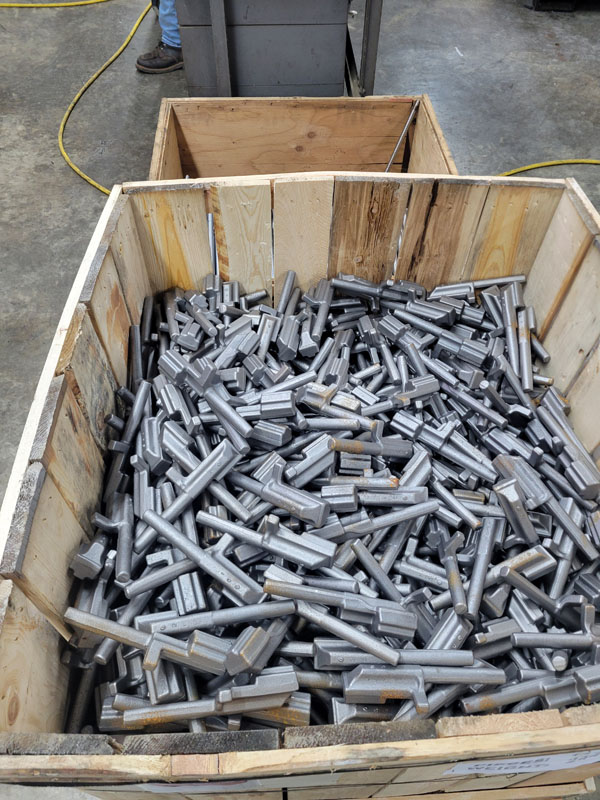
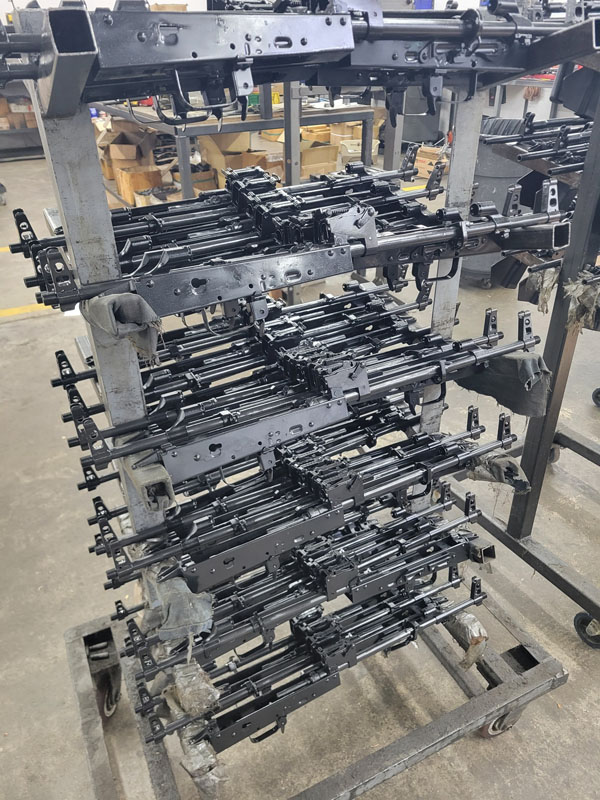
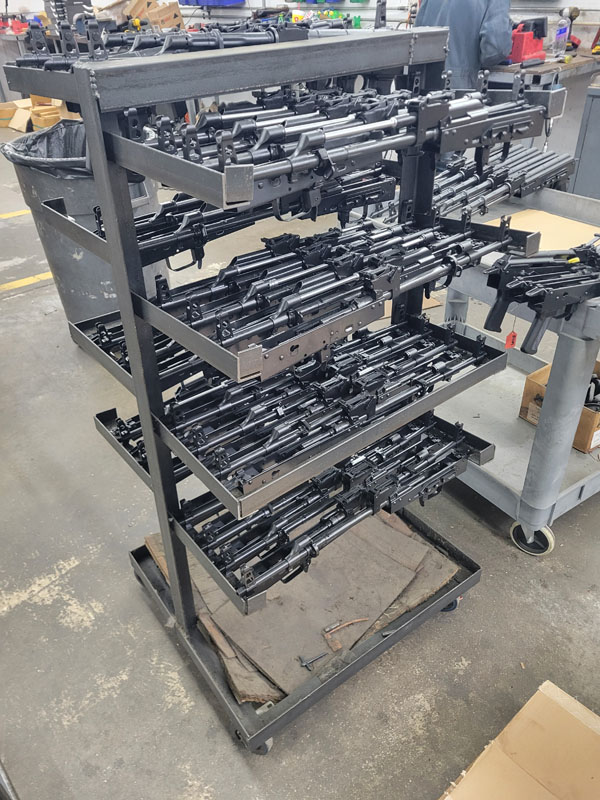
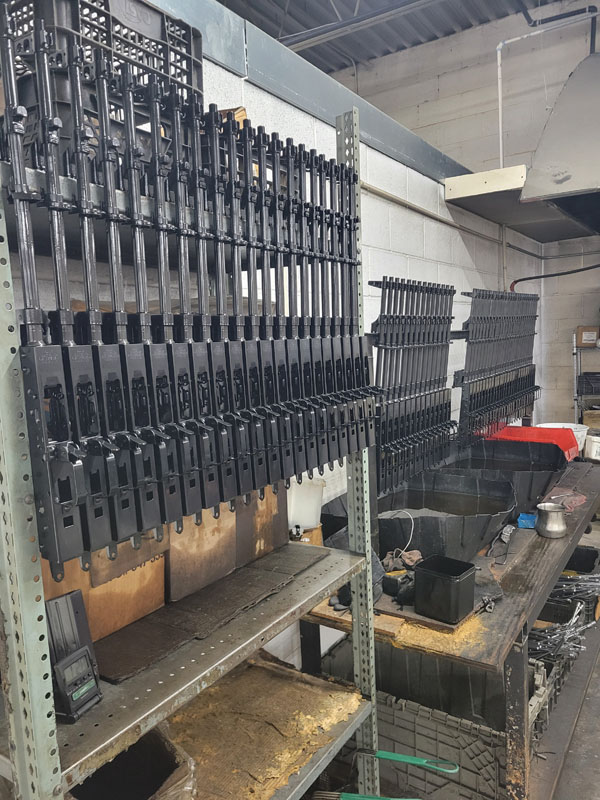
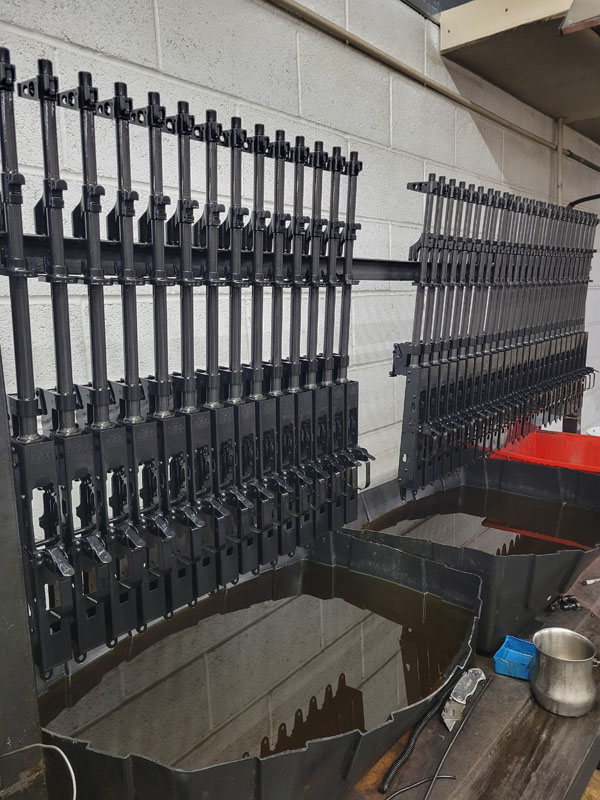
At Riley Defense, we spend thousands of hours every year machining receivers and pressing barrels. While the internet debates the ‘perfection’ of one over the other, our bench-testing shows a different story. We’ve found that the AK-47’s legendary reliability comes down to its ‘generous tolerances’—it’s designed to have room to breathe. Conversely, we see the AR-15 excel because of its ‘tight tolerances.’ When you’re choosing, you aren’t just choosing a caliber; you’re choosing between a machine built for grit (AK) and a machine built for precision (AR).
👉 Ready to own the best? Explore Our AK Rifles Now

❓ Frequently Asked Questions
A: Historically, the AK-47 was seen as more reliable in extreme mud/dirt. However, modern, high-quality AR-15s with proper lubrication are extremely reliable. The AK is more ‘forgiving’ of neglect, while the AR is more ‘rewarding’ of maintenance.
A: The AR-15 is generally more beginner-friendly due to its lower recoil and more ergonomic, intuitive controls (like the thumb safety and bolt release).
A: Yes. The 7.62×39 (AK) is comparable to a .30-30 and is excellent for deer and hogs at woods distances. The 5.56 (AR) is great for varmints and small game, though many hunters prefer the 6.5 Grendel or .300 Blackout variants of the AR for larger game.
Featured products
-

RAK47-BFPU
$1,599.00 -
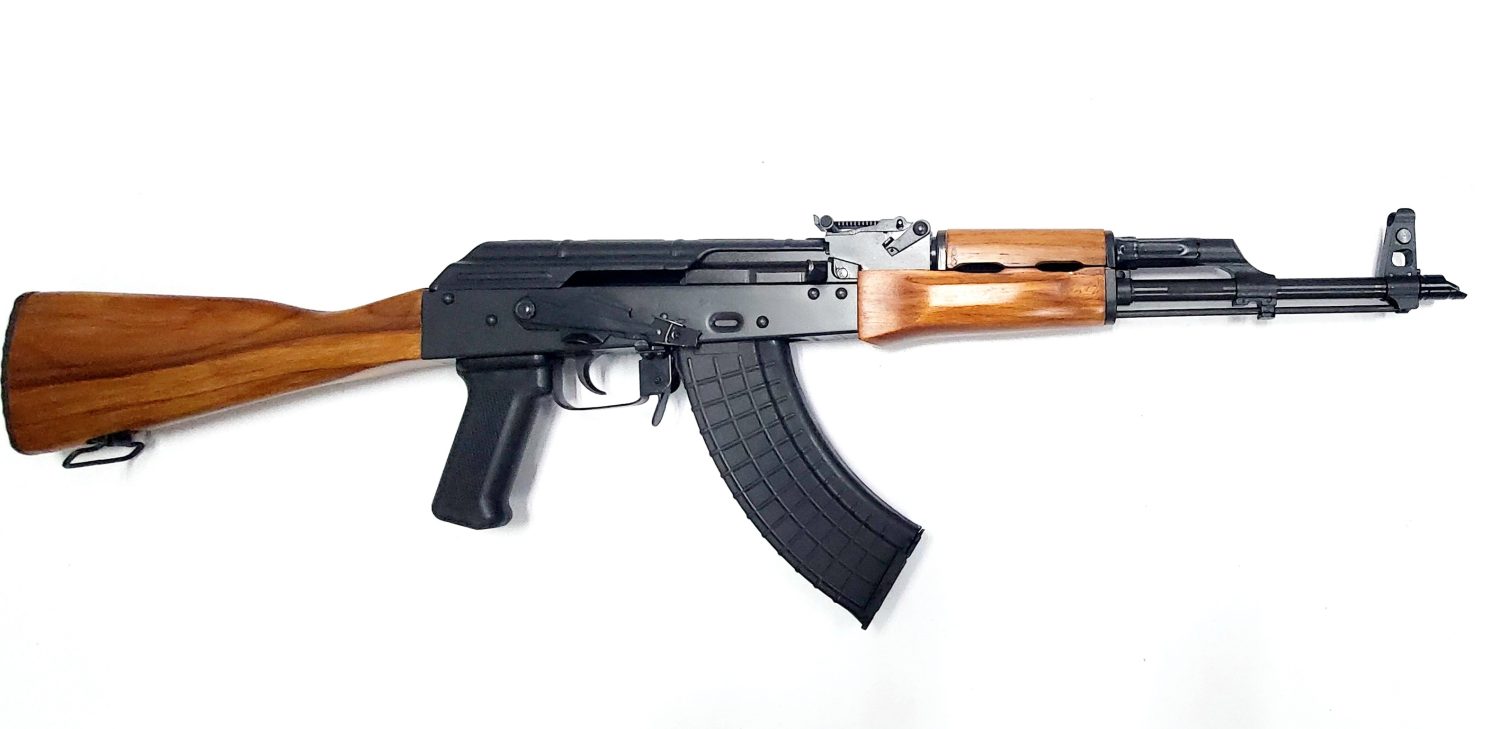
RAK47-C
$929.00 -
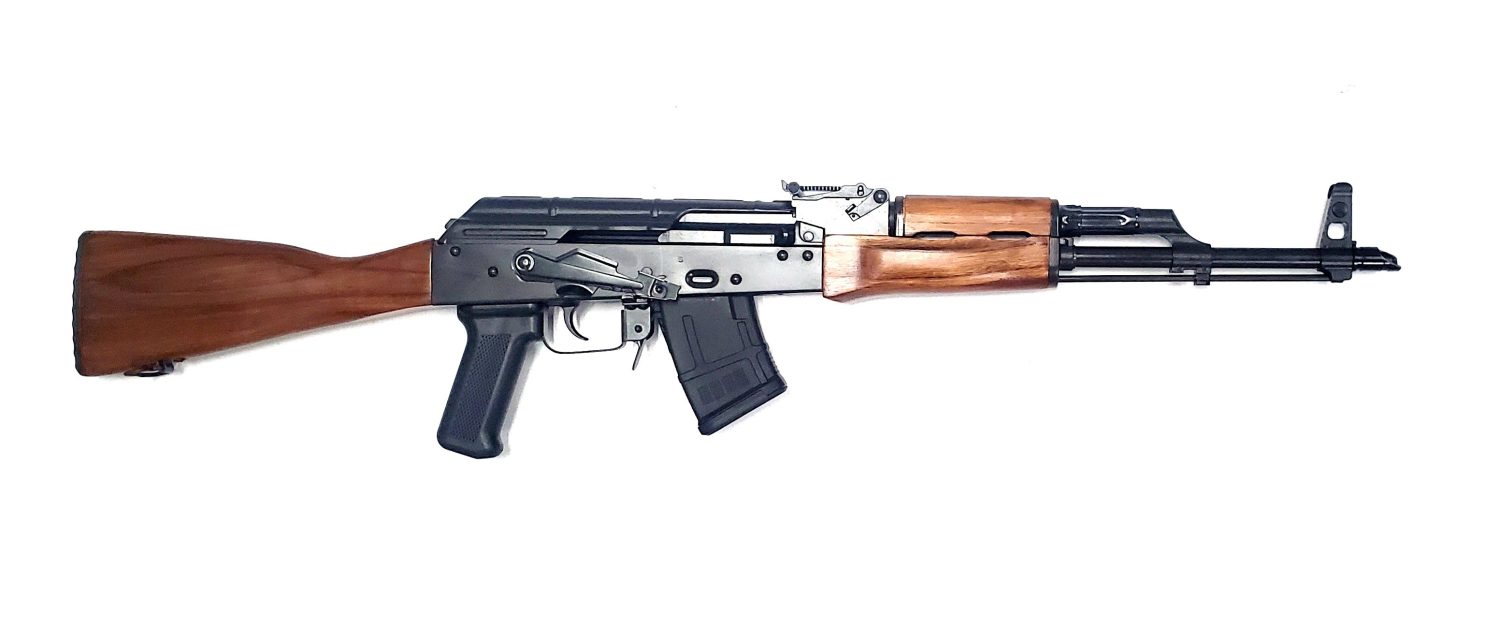
RAK47-C-CO
$939.00 -
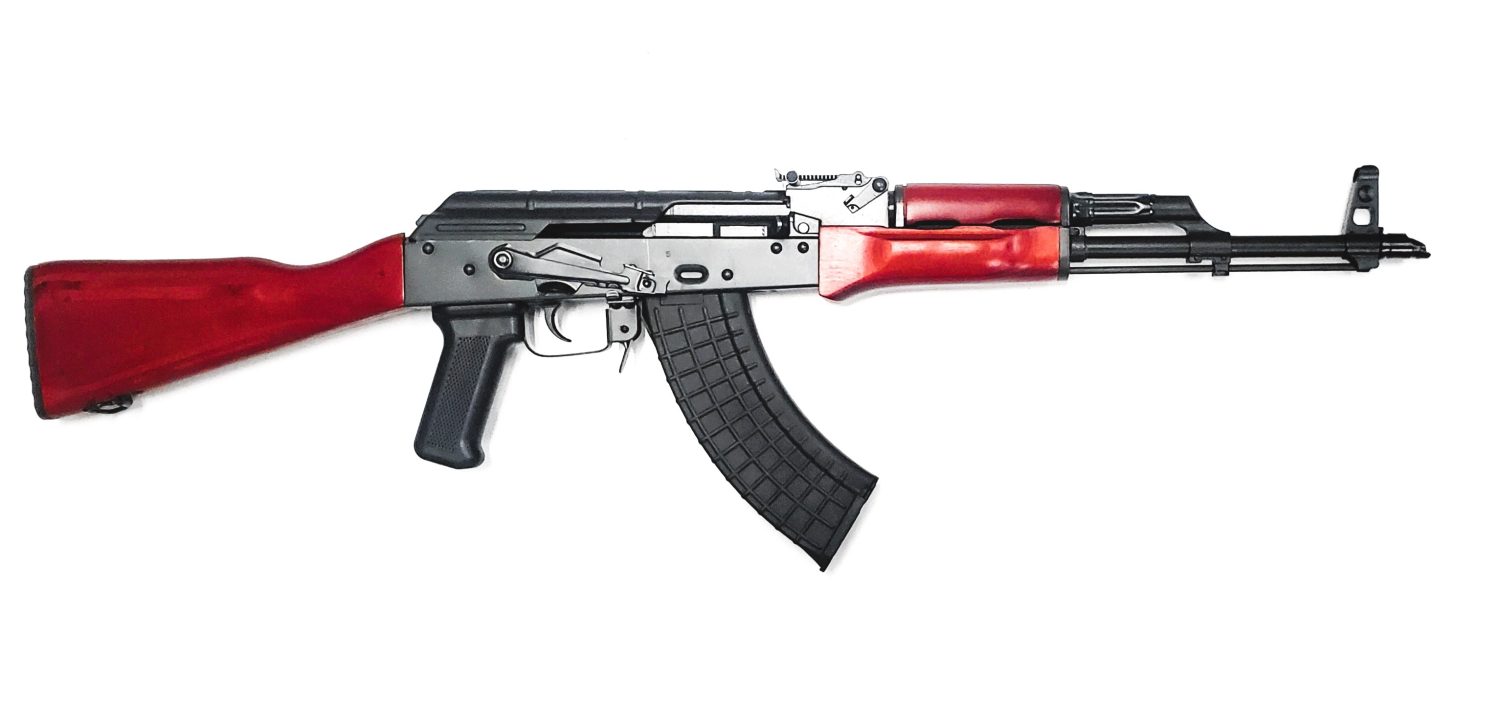
RAK47-C-L
$899.00 -
RAK47-C-NJ
$969.00